Cue the Tears: Why K-Drama Soundtracks Are Packing U.S. Concert Halls
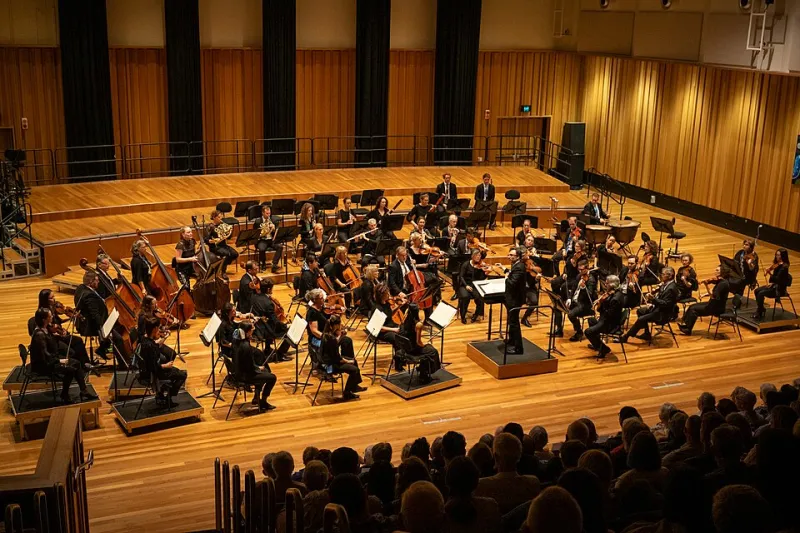
Photo: Geordiemcgrath, CC BY-SA 4.0, via Wikimedia Commons
The lights go down in a Los Angeles theater, and the first piano note lands before anyone on stage has said a word. The audience knows exactly what scene it belongs to. There is a collective inhale, a few sniffles, and then the kind of quiet that only happens when a room full of people is remembering the same fictional heartbreak at the same time. This is not a K-pop concert. It is a K-drama OST concert, and it is selling out American venues.
For years, Korean drama soundtracks lived in the background — literally. They were the emotional scaffolding of a scene, the song that played when a character ran through the rain, the ballad that swelled while two people finally said the thing they had been not-saying for eight episodes. Fans downloaded the tracks, made playlists, and moved on. In 2026, those songs are the main event.
The Song Was Never Just Background
A good OST does emotional labor. It tells you when to cry, when to hope, and when a character is lying to themselves. It also becomes a memory hook. Hearing the opening of a certain ballad can bring back an entire drama: the apartment, the rain, the terrible communication skills, the second-lead syndrome. That is why OST concerts work. They are not just musical performances. They are guided tours through a viewer's emotional history.
The format is simple and devastating: a live band or orchestra, a rotating cast of ballad singers, and a video screen playing restrained montages. No one needs to explain the plot. The audience already knows. When the singer hits the chorus, the room does the rest.
From Playlist to Performing Arts Center
OST concerts have been a staple in Korea for years, but the U.S. market is catching up fast. Promoters are booking theaters and performing arts centers in cities like Los Angeles, New York, Dallas, and Chicago, often with full orchestras or chamber ensembles rather than the stripped-down bands fans might expect. The venues matter. A seated theater encourages listening. It also encourages crying without shame.
The audience is not only long-time drama watchers. Short-form clips have pulled in newer fans who discovered a show through a 15-second edit and then binged the whole thing in a weekend. Streaming platforms keep the soundtracks in rotation, and playlist algorithms are very good at serving a sad Korean ballad to someone who has just finished a sad Korean drama. The pipeline from clip to binge to concert ticket is short.
Why Short-Form Clips Keep Old OSTs Alive
TikTok and Instagram Reels have become accidental archivists. A dramatic pause, a hand grab, a rain scene, and the right song can revive a drama that aired years ago. Fans who missed it the first time go back and watch. Fans who loved it the first time get to fall in love again. The OST becomes the bridge between the two.
That is why older tracks are showing up in concert setlists alongside new ones. A ballad from a 2016 drama can get the same reaction as a song from a 2025 release if the clip cycle has kept it alive. The concert becomes a shared timeline: here is the show you watched last month, here is the one you watched in high school, here is the one your friend made you watch on a rainy Sunday.
The Orchestra Is the Opening Act
The live arrangement is a big part of the appeal. A full orchestra can make a familiar OST feel cinematic in a way that a streaming file cannot. Strings swell, the percussion hits, and suddenly the theater feels like the drama's most dramatic episode. Ballad singers get to stretch out, and guest vocalists often add a new texture to songs fans know by heart.
There is also a pleasing contrast with the usual K-pop concert experience. No choreography, no fan chants timed to a lightstick, no sprint through five costume changes. Just songs, voices, and a room full of people who are emotionally unprepared for the second verse. It is a different kind of fandom performance: quieter, but no less intense.
What This Says About K-Drama Fandom
K-drama fandom is often talked about as a plot-based obsession. Fans debate endings, ship characters, and write essays about whether a drama stuck the landing. The OST concert reveals something else: fans are attached to the feeling of the show, not just the story. The music is how that feeling travels. It is how you carry a drama with you after the final episode.
That is also why these concerts draw such a wide age range. Teenagers who watch on phones sit next to adults who watch on tablets with subtitles and a cup of tea. They may not agree on the best drama of the year, but they all know the cue. The theater gives them a place to be fans together without needing to argue about the plot.
The Next Cue
The OST concert boom is still new enough to feel like a novelty, but it is unlikely to fade quietly. Promoters have found an audience that will pay for a seated, emotional, music-first experience. Composers and singers have found a second life for songs that were once treated as background. And fans have found a way to be inside the drama without a screen.
The next challenge is scale. More cities, more venues, and more rights clearances will be needed if the trend keeps growing. Promoters will also have to think about accessibility, translation, and the fine line between honoring a soundtrack and turning it into a greatest-hits cash grab. But if the rooms keep filling, the cue is clear: the OST is not background anymore. It is the main character.