Dance, Post, Repeat: How American K-Pop Cover Creators Turned a Hobby Into a Hustle
The New American Dream Has a Beat Drop
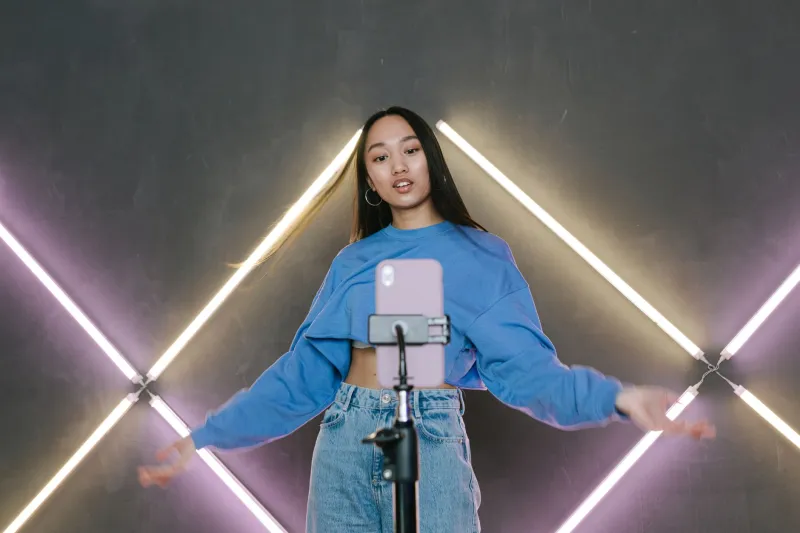
Forget the garage band origin story. The new version of "making it" in America looks a little different: a ring light, a cleared-out bedroom, and a flawless cover of the latest BLACKPINK comeback. For a growing number of young creators across the US, that setup has become the launchpad for something nobody really saw coming — a full-time career built entirely around K-pop.
It sounds almost too internet-era to be real, but the numbers don't lie. Several American cover artists are pulling in millions of views per month, landing brand partnerships, selling out meet-and-greet events, and even getting booked for professional dance productions — all on the back of content that started as a genuine love for Korean music and performance culture. The pipeline from fan to professional is shorter than ever, and K-pop just happens to be one of the most powerful engines driving it right now.
Why K-Pop Specifically? The Content Is Built for This
There's a reason you don't see the same explosion of, say, country music cover creators building empires on TikTok. K-pop is uniquely engineered — almost accidentally — to be one of the most content-friendly genres on the planet.
The choreography is intricate and visually striking, which makes dance covers inherently watchable. The music videos are cinematic and heavily stylized, giving creators a ready-made aesthetic to riff on. And the fandoms? They are hungry for content. A well-executed cover of a BTS or ATEEZ song doesn't just get views from casual listeners — it gets shared aggressively within dedicated fan communities who treat quality covers as a form of tribute to their favorite artists.
That built-in distribution network is something most content categories simply don't have. When a creator nails a "Crazy Form" or "Supernova" cover, they're not hoping the algorithm picks them up. They're dropping into an existing ecosystem of passionate fans who will actively push the video across Twitter (now X), Reddit, fan forums, and beyond.
The Breakout Formula: What Separates the Stars From the Scroll
Not every K-pop cover video goes viral, obviously. Thousands of creators are uploading content daily, and most of it disappears into the void. So what actually separates the creators who build real careers from those who stay stuck at a few hundred views?
Talent is the baseline — that much is obvious. But the creators who actually break through tend to share a few less-discussed qualities.
Consistency over perfection. The most successful American K-pop cover artists post regularly, even when the production quality isn't immaculate. Building an audience is a long game, and the algorithm rewards frequency. Creators who wait until everything is perfect tend to get lapped by those who show up every week.
Personality and authenticity. The K-pop fandom is savvy. Fans can tell immediately whether a creator genuinely loves the music or is just chasing trends. Creators who share their real reactions, talk openly about their journey learning choreography, or get vulnerable about the grind tend to build much deeper connections — and deeper connections convert into loyal subscribers, Patreon supporters, and merch buyers.
Niche specificity. Some of the most successful cover creators have carved out a very specific lane — maybe they only cover fourth-generation girl groups, or they specialize in incredibly detailed outfit recreations, or their whole brand is learning notoriously difficult choreography in 24 hours. Specificity makes you memorable in a crowded space.
From Views to Dollars: How the Money Actually Works
Let's talk about the business side, because that's where things get genuinely interesting. The revenue streams for a successful K-pop cover creator in 2024 are surprisingly diverse.
YouTube ad revenue is the obvious starting point, but it's rarely the biggest piece of the pie for creators in this space. Brand sponsorships tend to be more lucrative — and K-pop cover creators attract a very specific, desirable demographic for brands targeting Gen Z. Skincare companies, fashion labels, mobile apps, and yes, K-beauty brands in particular have been eager to partner with creators who have the trust of a young, engaged, culturally-tuned-in audience.
Beyond digital revenue, a number of cover creators have successfully monetized their skills in the physical world. Professional dance workshops — either virtual or in-person — have become a significant income stream. Creators who've built reputations for technical precision get hired to teach K-pop choreography classes at dance studios across the country. Some have been brought on as choreographers or performers for K-pop themed events, fan conventions, and even label-affiliated showcase tours.
Merch is another pillar. Once a creator hits a certain audience size, branded merchandise — hoodies, accessories, even custom lightstick-style products — can generate substantial passive income. A few creators have taken it further, launching their own content production companies and hiring editors, managers, and social media coordinators.
The Community That Makes It Possible
It's worth stepping back and acknowledging the engine underneath all of this: the fans. American K-pop fandoms have developed an almost unparalleled culture of supporting creators they believe in. Fan-organized streaming parties for cover videos, coordinated comment campaigns to boost algorithmic performance, fan-made compilation edits that introduce cover artists to new audiences — this stuff happens organically, driven entirely by community enthusiasm.
For creators, that support can feel genuinely overwhelming in the best way. Multiple cover artists have spoken publicly about how fan communities essentially served as their first marketing team, helping their content reach critical mass before they had any real platform to stand on. It's a relationship that tends to be reciprocal — creators who acknowledge and engage with their fan communities consistently tend to maintain that grassroots support even as they grow.
Not Without Its Complications
It wouldn't be an honest look at this space without acknowledging the friction points. Copyright has been a persistent headache for cover creators. K-pop labels have historically been aggressive about claiming or taking down cover content, and navigating those policies requires real legal and strategic awareness. Some creators have had entire back catalogs wiped, setting their channels back significantly.
There's also the question of cultural dynamics. As American creators build careers on the back of Korean artistic output, conversations about credit, cultural appreciation versus appropriation, and the ethics of profit in this space are ongoing. The most respected creators in the community tend to be the ones who actively center Korean artists in their content, speak knowledgeably and respectfully about Korean culture, and use their platforms to direct fans back to original music rather than positioning themselves as a substitute for it.
A Career Path That Didn't Exist Ten Years Ago
Here's the thing that's easy to lose in the day-to-day scroll of K-pop content: this entire career ecosystem is genuinely new. A decade ago, none of this existed at the scale it does today. The combination of global streaming infrastructure, social media algorithms, and K-pop's unprecedented international expansion has created a window of opportunity that a generation of American performers is walking through — one cover video at a time.
Whether you're a longtime K-pop fan who's watched cover creators grow up on your timeline, or someone just now discovering this world, one thing is clear: the bedroom-to-billboard pipeline is real, it's paying real money, and it's only getting more legitimate by the year.