Breaking the Silence: What Happens When K-Pop Idols Get Real About Their Mental Health
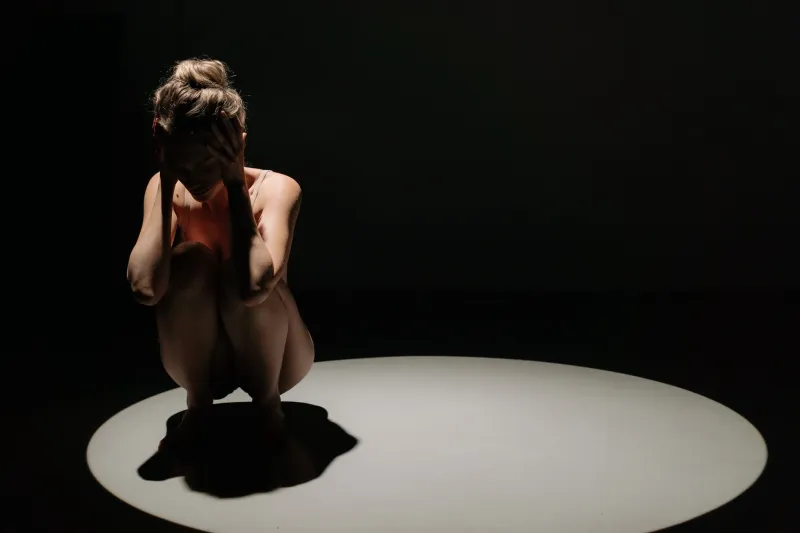
There's a version of K-pop that gets exported most easily to the rest of the world: polished performances, synchronized choreography, carefully curated visuals. It's a version built on the idea that everything is fine — more than fine, actually. Spectacular. But behind those spotlights, something else has been quietly building: a wave of candid, sometimes raw disclosures from idols who are done pretending the machine doesn't have a cost.
And American fans are paying close attention.
The Shift That's Been Years in the Making
K-pop's relationship with mental health has historically been complicated at best. The industry's training system, which can pull teenagers into years of rigorous preparation before debut, combined with relentless performance schedules and intense public scrutiny, creates conditions that mental health professionals have long flagged as high-risk. For most of the genre's modern history, those pressures were treated as part of the deal — not something you talked about publicly.
But that's been changing, and the shift has been accelerating.
SHINee's Jonghyun, who passed away in 2017, left behind letters that spoke to the exhaustion and pain he had been carrying privately for years. His death became a turning point in how the industry — and fans globally — talked about idol wellness. It was a tragedy that forced a reckoning that many people had been avoiding.
Since then, more idols have chosen to speak. BTS's RM, Suga, and other members have addressed burnout and personal struggles in interviews and through music. TWICE's Momo and other members have discussed the physical and emotional toll of their schedules. EXO's Chen and NCT's members have opened up in fan letters and livestreams. Most recently, aespa and NewJeans-era idols have spoken with a directness about anxiety that would have been almost unthinkable even a decade ago.
Why This Hits Differently for American Fans
In the United States, celebrity mental health disclosure has its own well-worn script. A star checks into rehab, a publicist issues a statement, a carefully timed interview follows. The conversation is managed, often heavily. Vulnerability is packaged. There's a PR cycle to it that most people have learned to read.
K-pop disclosures tend to arrive differently — in handwritten fan letters, during emotional VLive sessions, through song lyrics that feel startlingly personal. They're often unmediated in a way that American celebrity culture rarely allows. And that rawness lands hard for fans who have built deep parasocial connections with these artists.
"When Suga talked about his shoulder surgery and what it felt like to step back from performing, I genuinely cried," says 22-year-old ARMY member Priya from Chicago. "It wasn't a press release. It felt like he was actually talking to us."
This intimacy is both the beauty and the complication of K-pop fandom. The parasocial bonds fans form with idols are often more intense than anything comparable in Western pop — built through years of content, fan engagement, and a sense that these artists genuinely know their audience. When an idol discloses something painful, it doesn't feel like news. It feels personal.
The Fan Response: Empathy, Anxiety, and Everything in Between
American fans' reactions to idol mental health disclosures tend to cluster around a few different emotional responses, and they're not always straightforward.
For many, the immediate reaction is empathy and a surge of protectiveness. Fan communities often mobilize quickly — trending hashtags, organizing streaming projects as shows of support, posting messages of encouragement. There's something genuinely moving about watching tens of thousands of people rally around an artist who has admitted they're struggling.
But therapists and fan culture researchers have also noted a more complicated layer. For fans who have their own mental health challenges — and studies consistently show that anxiety and depression rates among young adults in the US are significant — an idol's disclosure can trigger identification that goes very deep. "I've seen fans say things like, 'If they're struggling and they still show up, I should be able to," says one fan community moderator who asked to remain anonymous. "That's a really concerning takeaway."
There's also the question of what fans do with that information. The healthiest responses involve holding space for an artist's struggle without making it about the fan's own emotional needs. The less healthy responses can involve escalating parasocial behavior — a sense that the fan needs to fix or save the idol, which puts pressure on a relationship that only ever moves in one direction.
What This Means for the Conversation Around Celebrity Wellness
What's genuinely interesting — and encouraging — is that K-pop's mental health moment is changing how some American fans think about celebrity wellness more broadly.
For younger fans especially, watching idols speak openly about burnout is recalibrating expectations. The idea that public figures should perform constant happiness is being questioned in real time. "It made me think about how we treat all celebrities," says 19-year-old fan Marco from Phoenix. "Like, why do we expect them to just be okay all the time? They're people."
That realization — simple as it sounds — is actually a meaningful shift. American pop culture has historically been pretty brutal to celebrities who show cracks, alternating between morbid fascination and moral judgment. K-pop fans, many of them younger and more attuned to mental health language than previous generations, are modeling a different kind of response: one that centers care without consuming it.
The industry itself still has a long way to go. Structural issues — grueling schedules, restrictive contracts, surveillance-level fan culture — haven't been resolved by a wave of honest conversations. But the conversations themselves matter. They're changing what fans expect, what they celebrate, and how they relate to the human beings behind the performances.
And for American audiences watching from across the Pacific, they're also quietly raising a mirror: asking us to look at how we treat our own artists, our own public figures, and maybe even ourselves.