Touchdowns and Fan Chants: The Unexpected Way K-Pop Has Taken Over American Sports
If you told someone back in 2010 that an NFL player would be posting BTS TikToks after a playoff win, they probably would've laughed. Fast forward to today, and that's basically just Tuesday. The collision between K-pop and American sports culture has been building for years, and at this point, it's less of a surprise and more of an inevitability. Gen Z fans don't put their interests in neat little boxes — they love what they love, and right now, they love both the Lakers and SEVENTEEN.
So how exactly did we get here? Let's break it down.
Athletes Are Stanning Out in the Open
One of the most visible signs of K-pop's grip on American sports culture is the number of professional athletes who openly identify as fans. NBA players have been spotted wearing BLACKPINK merch courtside. NFL wide receivers have name-dropped aespa in postgame press conferences. Even a few MLB guys have gone on record saying they warm up to NewJeans tracks.
This isn't just casual listening, either. We're talking full-on stanning — following fan accounts, reposting music videos, and in some cases, actually attending concerts. Kansas City Chiefs tight end Travis Kelce made headlines in 2023 for his relationship with Taylor Swift, but plenty of other athletes have been quietly building their K-pop playlists without nearly as much media coverage. The difference now is that they're not hiding it.
For a lot of these athletes, especially younger ones who grew up during the BTS wave of the late 2010s, K-pop is just part of their cultural diet. It's not a niche thing. It's mainstream.
Stadium Moments That Made Fans Lose It
Beyond individual athletes, K-pop has started showing up in the actual fabric of sporting events themselves. Walk-up songs, warmup playlists, and stadium DJ sets have all featured K-pop tracks in recent seasons. When a player jogs onto the field to the opening bars of a TWICE bop, the fandom energy in the stands shifts immediately — because K-pop fans are always in the building.
There have also been more formal crossover moments. Korean artists have performed at major American sporting events, including pre-game concerts and halftime-adjacent entertainment slots. While K-pop hasn't cracked the Super Bowl halftime show yet (though the conversation is very much happening on stan Twitter every single year), the genre has made appearances at NBA All-Star Weekend events and college football bowl games.
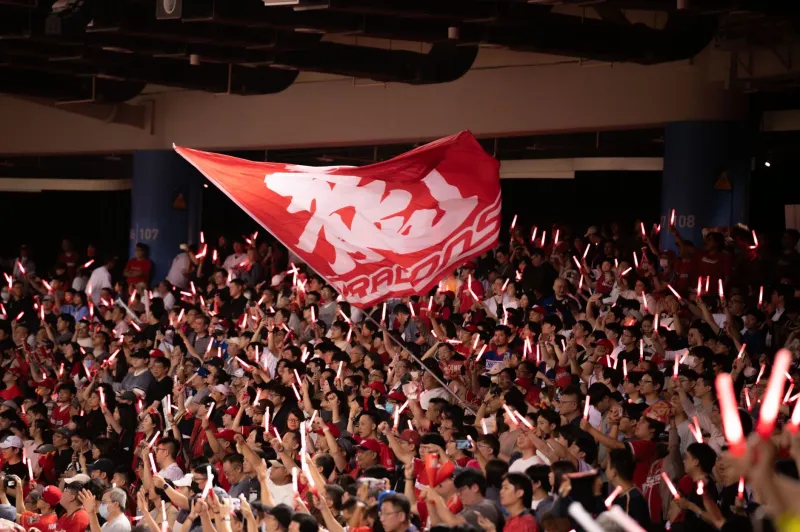
And honestly? The crowd reactions speak for themselves. K-pop fans show up prepared — light sticks, coordinated outfits, synchronized fan chants. They bring a level of organized enthusiasm that stadium organizers have started to recognize as a serious draw.
Billboard Dominance Is Changing the Conversation
Part of what's made this crossover so natural is that K-pop artists have been dominating American charts for years now. When a group like Stray Kids or aespa is sitting at the top of the Billboard 200, their music isn't just reaching dedicated K-pop fans — it's reaching everyone. That includes sports fans scrolling through Spotify on game day.
The Billboard success also gives K-pop a kind of mainstream credibility that makes it easier for athletes and sports media to reference without it feeling out of place. A player saying their hype song is by a group that just hit number one isn't a quirky factoid anymore — it's just a current pop culture reference.
Sports media has started catching on, too. ESPN's social accounts have posted K-pop crossover content. Sports podcasts have done dedicated episodes on the overlap between K-pop fandoms and sports fan communities. The conversation is happening at every level.
Gen Z Is the Bridge
At the center of all of this is Gen Z, the generation that essentially refuses to compartmentalize their pop culture interests. For a 22-year-old sports fan, there's no tension between watching Sunday Night Football and streaming a new ENHYPEN comeback. These things coexist completely naturally in their daily media consumption.
Gen Z also brought a new kind of fan energy to American sports — one that looks, frankly, a lot like K-pop fandom culture. The coordinated social media campaigns, the streaming parties, the organized voting for awards and All-Star selections — these are all tactics that K-pop stans pioneered and that sports fan communities have adopted, sometimes consciously and sometimes just by osmosis.
Fan communities for teams like the Golden State Warriors or the Dallas Cowboys now operate with a level of digital organization that would feel familiar to anyone who's participated in a K-pop voting drive. The DNA is similar.
What's Next: A Super Bowl Moment?
The question everyone in both industries is quietly asking is when — not if — a K-pop act will perform at the Super Bowl. The halftime show has historically been a reflection of what dominates American pop culture, and K-pop has been dominating for a while now. The logistics are complicated (the NFL tends to favor artists with deep American cultural roots), but the appetite from fans is undeniable.
Short of the Super Bowl, there are plenty of other milestones to watch for. More K-pop artists at the ESPYs. Official team collaborations with Korean entertainment companies. Korean artists performing the national anthem at major games. These feel less like hypotheticals and more like things that are probably already in development somewhere.
The bottom line? K-pop and American sports aren't two separate worlds anymore. They share fans, they share cultural space, and increasingly, they share actual stages. If you're a K-pop fan who also loves sports, you're not some rare crossover specimen — you're just a regular Gen Z person living in 2025. Welcome to the new normal.