It's Giving Sibling Era: Why American K-Pop Fans Are Deeply Invested in Idols' Family Ties
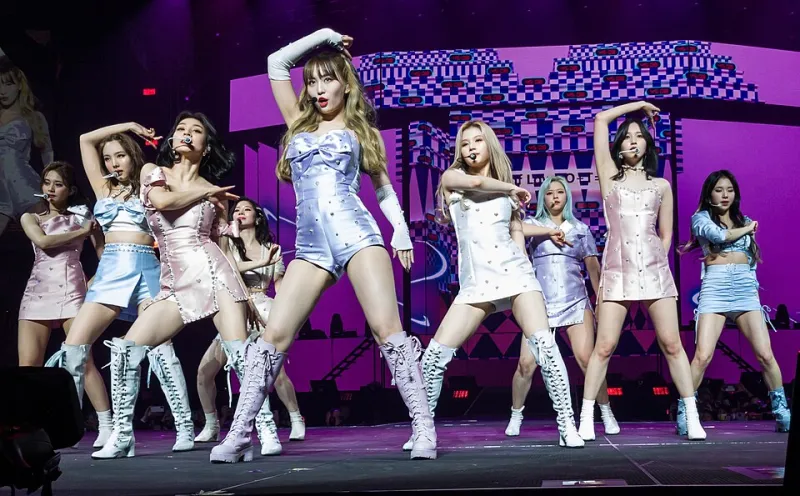
Photo: Steven Anthony Hammock, CC BY-SA 4.0, via Wikimedia Commons
When a photo surfaced of a well-known idol's younger sister attending one of their concerts, fan forums didn't just react — they erupted. Within hours, fan accounts had compiled every known detail about the sibling, created dedicated appreciation threads, and launched a wave of fan art featuring the two of them together. The sister hadn't said a word publicly. She'd simply existed, and that was enough.
This isn't an isolated incident. Across Reddit, Twitter/X, TikTok, and Weverse communities, American K-pop fans have developed a deep, sometimes overwhelming fascination with their favorite idols' family relationships — and particularly their siblings. It's a phenomenon that puzzles some Korean observers, feels completely natural to Western fans, and says a lot about the different ways two cultures think about identity, privacy, and what it means to truly "know" a celebrity.
The Sibling Reveal Moment
In K-pop, information about an idol's family is typically guarded carefully by their entertainment company. Unlike American celebrity culture, where stars routinely bring family members to red carpets and post them on Instagram without a second thought, Korean idols operate under management structures that treat personal life details as a kind of controlled resource.
That scarcity makes every sibling reveal feel like an event.
When an idol mentions a brother or sister in an interview — or, better yet, when a sibling is spotted at a concert or appears in a behind-the-scenes clip — fans treat it with the energy Americans might reserve for a major plot twist. Discussion threads fill up. Compilation videos get made. Fan theorists start cross-referencing old interviews for clues they might have missed.
"There's something about finding out that your favorite person has this whole life that you didn't know about," says Kayla, a 22-year-old fan from Nashville. "Like, they have a little sister who probably teases them at home? That just makes them feel so much more real."
Parasocial Bonds and the Family Connection
Psychologists who study parasocial relationships — the one-sided emotional bonds people form with celebrities or fictional characters — say that family details are particularly potent fuel for this kind of attachment.
"When you learn about someone's family, you're getting access to a version of them that exists outside the constructed persona," explains Dr. Leah Hoffman, a media psychologist based in Los Angeles. "Siblings especially — they knew the idol before the fame, before the training, before the image was built. For fans who feel deeply connected to an idol, that sibling represents a kind of authentic witness to who that person really is."
For American fans specifically, this dynamic is amplified by the nature of K-pop's idol system. Trainees often enter entertainment companies as teenagers and spend years living in dorms, separated from their families. The sacrifice narrative is baked into K-pop culture — and fans who follow an idol's journey from trainee to debut develop a sense of having watched that person grow up. Family moments, then, feel like a reunion they're somehow part of.
Korean Family Values vs. American Expectations
Here's where cultural context gets genuinely interesting. In Korean society, family relationships — particularly between siblings — carry a specific weight shaped by Confucian values around hierarchy, duty, and collective identity. The concept of jeong (정), a deep emotional bond that develops through shared experience and care, influences how Koreans think about family connection in ways that don't have a clean American equivalent.
For Korean idols, talking about family is often a way of demonstrating values — loyalty, humility, groundedness — that fans in Korea respond to positively. But it's a carefully calibrated disclosure. Too much personal family information can expose relatives to unwanted attention or, in extreme cases, harassment from anti-fans.
American fans, raised in a celebrity culture where oversharing is practically a marketing strategy, sometimes don't register the same boundaries. The intense interest that Western fans direct at idol siblings can feel, from a Korean perspective, disproportionate to what was actually shared.
"I think American fans sometimes forget that the sibling didn't sign up for any of this," notes Jisoo Han, a Korean-American cultural commentator who writes about the K-pop industry. "The idol chose this life. Their brother or sister just has a famous sibling. The level of scrutiny can get really uncomfortable really fast."
When Fandom Gets It Right — and When It Doesn't
It's worth noting that not all fan interest in idol family dynamics crosses a line. A lot of it is genuinely sweet — fans celebrating when an idol talks about calling their mom after a big win, or tearing up at a video of siblings reuniting after months apart. That kind of engagement reflects real empathy and emotional investment, and it's part of what makes K-pop fandom feel so communal.
The line gets blurry when fan communities start treating siblings as extensions of the idol rather than as private individuals with their own lives. Dedicated fan accounts for idol siblings who have zero public presence, attempts to identify and contact family members, or speculation about siblings' personal lives all represent a form of attention that most people — in any culture — would find deeply unsettling.
Larger fandoms have started self-policing these behaviors more actively, with community moderators removing posts that doxx or speculate about idol family members. It's an evolving conversation, and most fans are genuinely on the right side of it.
Why the Fascination Isn't Going Away
At its core, the American obsession with K-pop idols' family dynamics reflects something pretty universal: the desire to see the full human being behind the performance. In a genre where image management is meticulous and personal disclosure is strategic, every genuine family moment feels like a window into something real.
And in a fandom culture built on emotional connection, that window — however small — is worth a lot.
Kayla from Nashville puts it simply: "I just want to know they're loved by somebody who knew them before all of this. Is that so weird?"
Honestly? Not even a little.