Cup Sleeves and Crowdfunded Cakes: The American Fan Clubs Running Seoul's Birthday Café Scene
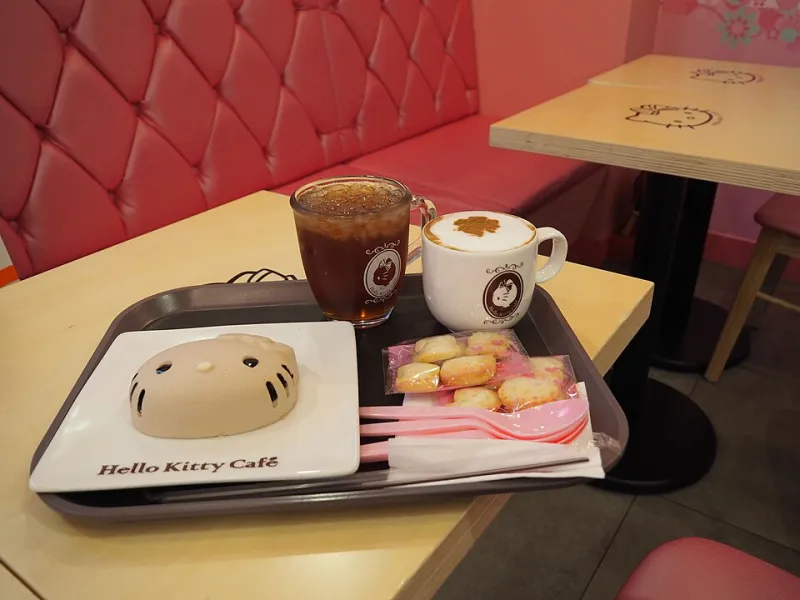
Photo: Laika ac from UK, CC BY-SA 2.0, via Wikimedia Commons
There's a coffee shop in Yeonnam-dong with a banner hanging over the door, a stack of photocards by the register, and cup sleeves printed with a face that half the customers can't name. The people who organized it are 6,000 miles away, probably refreshing a group chat at 3 a.m. Eastern.
Welcome to the birthday café — one of the strangest, most expensive, and most quietly competitive rituals in American K-pop fandom. You don't need to live in Seoul to run one. You just need a Discord server, a Venmo pool, a Korean-speaking friend of a friend, and a willingness to spend real money on a party your favorite idol will almost certainly never attend.
How a Birthday Café Actually Gets Built
The pipeline is more corporate than it looks. Most clubs start planning six to ten weeks out. A design lead makes the cup sleeves, banners, and freebie sets. A logistics lead handles the money. Someone else — usually a member who studied abroad in Korea or has family there — becomes the on-the-ground contact.
Finding a space is the hard part. Fan organizers typically DM cafés on Instagram or KakaoTalk, pitching a one-day or weekend event: we rent the room, we bring our own décor, we staff our own freebie table, your regulars still buy drinks. Popular spots near Hongdae, Seongsu, and Ikseon-dong get booked out weeks in advance, especially around cluster birthdays in the same month.
Then comes the printing. Cup sleeves, photo strips, standees, slogan banners, sticker packs. Some clubs ship everything from the U.S. and eat the postage; smarter ones work with Korean print shops and skip the customs headache entirely. The day of, a local proxy — often a Korean fan, sometimes a paid helper — sets up, hands out freebies to anyone who orders a drink, and takes the photos that end up on X within hours.
The Price Tag Nobody Posts
Public budgets are rare, but organizers who've done it will give you a range. A single-day café rental in a mid-tier Seoul neighborhood runs a few hundred dollars, and goes up sharply for a weekend or a high-traffic space. Printing, freebies, and shipping can easily double that. Add international wire fees, exchange rate spreads, and the small stuff nobody budgets for — tape, floral foam, a last-minute reprint — and a modest event lands somewhere between a nice weekend trip and a used car.
Bigger clubs go further: multiple cafés at once, a subway station ad, or a donation in the idol's name. That's when crowdfunding pages appear, with tiered rewards like a sticker set for $10 and a full freebie bundle plus a handwritten thank-you card for $50.
The awkward part? Accountability. Fandom has been burned before by organizers who collected money and vanished. Clubs now post receipts, publish spreadsheets, and name their treasurers publicly — a level of transparency that would embarrass most small businesses.
Seoul Café Etiquette Is Its Own Syllabus
Here's where first-timers get tripped up. Korean café owners are generally warm to fan events, but the rules are strict and unwritten. No adhesives on painted walls. No blocking the sidewalk with a standee. Clean up completely, including the tape residue. Keep the noise inside. Don't camp out and turn the shop into a hangout for people who aren't buying anything.
Organizers also learn fast that timing matters. Weekday afternoons are cheap and calm; weekends are pricey and crowded. And there's a delicate line between a fun fan takeover and a hostile one — a café that loses its regulars for a day does not rebook you next year.
The 14-Hour Time Difference Problem
Seoul runs 13 to 14 hours ahead of U.S. time zones depending on daylight saving, which means most birthday café crises happen in the middle of the American night. A banner arrives the wrong size at 2 a.m. in Chicago. A printer goes silent at 11 p.m. in Los Angeles. Someone has to be awake to fix it.
Veteran clubs build in a buffer: everything finalized a week early, a local contact on standby, and a shared doc listing exactly who has the owner's phone number.
Why Bother? The Status Symbol Part
The honest answer is that a birthday café is a public receipt. It says: our fandom is organized, funded, and real. Photos circulate on X and Instagram, get screenshotted into Korean fan communities, and occasionally — occasionally — get noticed by the idol themselves. A selca taken in front of a fan-made banner is the closest thing this hobby has to a trophy.
There's also something sweeter underneath the competition. For American fans who will never see a Seoul concert, renting a room in the idol's city is a way of participating in a place they can't reach. It's a small, expensive, deeply earnest act of showing up.
Where This Goes Next
Expect two things in 2027: consolidation and pushback. Bigger clubs are already pooling resources into multi-city events, and smaller ones are getting priced out of the popular neighborhoods. Meanwhile, some Korean fans have started asking pointed questions about foreign clubs flooding the café market and driving up rental rates in fan-heavy districts.
None of that seems to be slowing anything down. The banners keep going up, the sleeves keep getting printed, and somewhere in New Jersey a group chat is arguing about font choices at 3 a.m. That's the economy now.