Saved Up, Showed Up, Turned Away: The Hidden Obstacles Blocking American Fans From Korean Concerts
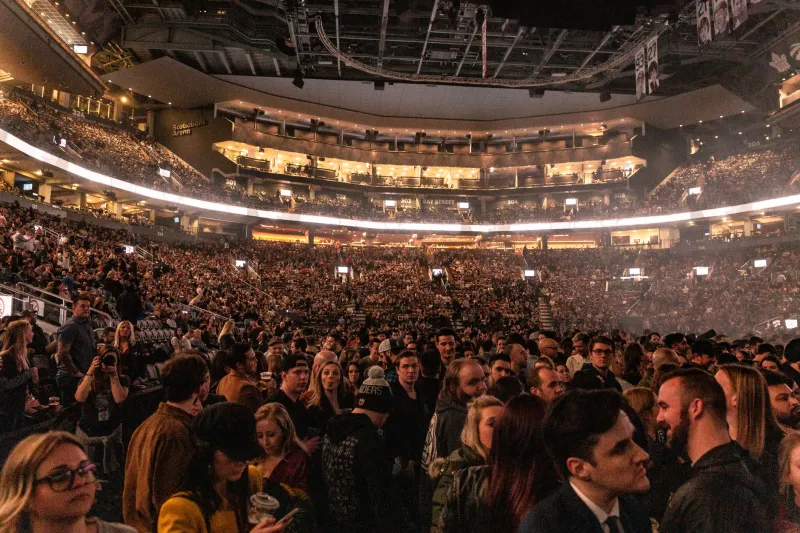
For a lot of American K-pop fans, the ultimate bucket list item isn't a VIP meet-and-greet at a US arena. It's a flight to Seoul, a standing spot in an Olympic Stadium crowd, and the chance to scream their favorite group's name on Korean soil. It sounds like the trip of a lifetime — and for some fans, it absolutely is. But for a growing number of others, it's become a story of months of planning, thousands of dollars spent, and a gut-punch rejection they never saw coming.
The barriers are real, they're varied, and they're quietly reshaping how international fans engage with K-pop at its source.
The Visa Situation Nobody Warned You About
Here's the thing most casual fans don't realize: South Korea offers visa-free entry for American citizens for up to 90 days, which sounds like a green light. And for most tourists, it is. But attending a ticketed concert — especially one connected to a fan club membership or an official artist fan club pre-sale — can sometimes trigger questions at the point of entry that travelers aren't prepared for.
Customs officers have broad discretion, and while the vast majority of fans pass through without incident, there's a documented pattern of younger travelers, particularly those arriving solo without clear hotel bookings or return tickets, facing extra scrutiny. Some fans have reported being questioned about the purpose of their trip in ways that felt intimidating, especially if the honest answer is "I'm here to see a BTS concert" and they're carrying limited cash or an open-ended itinerary.
Beyond customs, there's also the matter of the K-ETA — South Korea's electronic travel authorization system that was reintroduced for certain nationalities and has caused confusion for American travelers who assumed they were exempt. Processing times, technical glitches, and unclear guidance on the government's English-language portal have caught fans off guard close to departure dates.
Age Restrictions That Don't Translate
If visa logistics are the first hurdle, South Korea's concert age rating system is the one that genuinely blindsides people.
Korea's performance rating system — overseen by the Korea Media Rating Board — assigns age classifications to concerts much like movies get ratings in the US. A show rated "18+" in Korea means 18 by the Korean age system, which until recently added one to two years to a person's international age depending on birth date and time of year. Korea officially moved to the international age standard in 2023, but ticketing platforms, venue staff, and even fan club terms haven't all caught up uniformly.
The result? American fans who are 18 by US standards have shown up at venues only to be told they don't meet the local requirement — or have purchased tickets without realizing an age gate applied, since many Korean ticketing sites don't surface that information prominently in English. Refund policies in these cases are often non-existent or buried in terms of service that were never translated.
Fans in Reddit threads and fan Discord servers have started compiling informal guides to help each other navigate this, but that knowledge-sharing is entirely community-driven. The official industry infrastructure just isn't there yet.
Ticketing Systems Built for Korean Fans
Let's talk about the elephant in the room: Korean concert ticketing platforms are, by design, optimized for Korean users.
Interpark, Melon Ticket, and YES24 are the dominant players, and all three require varying degrees of Korean-language navigation, Korean phone number verification, or a domestic payment method. Some artists' fan club pre-sales are locked entirely to members with Korean-verified accounts, which effectively shuts out international fans from the best seats before the general public sale even opens.
When the general sale does go live, American fans are competing in real-time against Korean fans who have faster local internet connections, familiarity with the platform interface, and sometimes automated queue tools. The time zone difference — Seoul is 13 to 16 hours ahead of the US, depending on daylight saving — means fans on the East Coast are refreshing ticket pages at 2 or 3 in the morning. West Coast fans have it even worse.
Third-party resellers have filled the gap, but at prices that can triple or quadruple face value. And purchasing from unofficial channels carries its own risks: counterfeit tickets, non-transferable digital passes that require ID matching, and no recourse if something goes wrong.
What Happens When You Actually Get There
For fans who do successfully navigate the ticket purchase and land in Seoul, the experience can still be jarring in ways they didn't anticipate.
Many Korean venues don't offer the same accessibility accommodations that American fans with disabilities might be used to under ADA standards. English-language signage is improving in major venues like KSPO Dome and KSPO Hall, but staff communication during high-pressure crowd management situations often happens in Korean only. Fan merchandise lines — a whole cultural ritual in their own right — involve hours of queuing with instructions delivered via the venue's app or staff announcements, again, in Korean.
None of this makes the experience bad, exactly. Plenty of American fans describe Korean concerts as the best nights of their lives, full stop. But the gap between expectation and reality, especially for first-timers who didn't do exhaustive research, can be genuinely overwhelming.
Is the Industry Paying Attention?
Some artists and agencies have started acknowledging the international fan base in more concrete ways. HYBE, SM Entertainment, and YG have all made moves toward global ticketing partnerships and English-language fan club platforms in recent years. Weverse, HYBE's fan platform, has been the most visible attempt at building something that actually works for non-Korean users.
But critics — including fans who've been in this community for a decade — point out that these efforts tend to prioritize digital content monetization over actual live event access. You can buy a weverse exclusive album and stream a live broadcast from your couch in Cincinnati. Getting a fair shot at a floor ticket to a Seoul show is a different conversation entirely, and it's one the industry hasn't meaningfully started.
Some fans have started voting with their wallets, redirecting their travel budgets toward US and North American tour dates, or following groups to fan conventions like KCON, where the international fan experience is explicitly part of the design. It's not the same as Seoul, they'll tell you. But at least the system was built with them in mind.
What Fans Are Asking For
The requests coming out of fan communities aren't unreasonable. They want English-language ticketing interfaces with clear age and ID policy disclosures. They want international fan club tiers that include pre-sale access without requiring Korean phone verification. They want venue staff at major concerts to have basic English-language support available. And they want agencies to publicly acknowledge that their fan bases — the ones buying albums, streaming from thousands of miles away, and fueling global chart performance — deserve a seat at the table when live event policies are being set.
None of that is revolutionary. It's just catching up to where the audience already is.
The K-pop industry has gotten incredibly good at building global fandoms. The infrastructure to actually host those fandoms in person? That part's still a work in progress — and right now, American fans are the ones paying the price for the gap.